
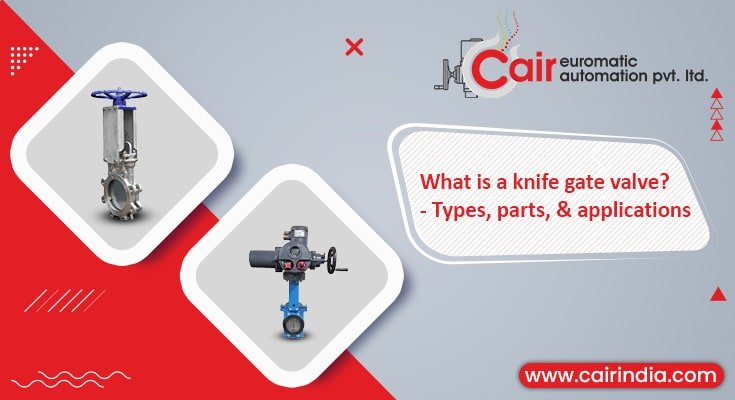
Knife gate valves are essential components in many industrial systems, particularly those dealing with slurries, viscous fluids, and wastewater. Known for their robust design and modern functionality, knife gate valves are built to handle tough environments where other valves might struggle. This article explores the ins and outs of knife gate valves, covering their types, key parts, and various applications, providing valuable insights for engineers, procurement specialists, and plant operators.
Understanding Knife Gate Valves:
A Knife Gate Valve is a type of valve that uses a sharp-edged gate to cut through fluids, slurries, or semi-solid materials. This modern design provides a tight seal, which is necessary to keep media blocked, and maintained with offering smooth operation. It is specifically designed to function efficiently in challenging environments. These valves can be operated manually, electrically, and pneumatically depending on the specific requirements of the application.

The knife-like gate slices through thicker materials, ensuring smooth operation in systems that handle slurry, wastewater, and other difficult media. Unlike traditional valves that may clog or fail under such conditions, knife gate valves are specifically designed to function efficiently in challenging environments.
Types of Knife gate valves:
There are several types of knife gate valves, each type is suitable for different applications and media. Choosing the right knife gate valve depends on factors such as pressure, media, and temperature.
Resilient Knife Gate Valves:
Resilient gate valve is a designed with elastomer seals, which provide excellent sealing capabilities. This type of valve is ideal for low-pressure applications and can handle abrasive media, which makes it commonly used in wastewater treatment plants and other industrial applications.

Metal Seated Knife Gate Valve:
These valves are designed for high-temperature and high-pressure applications. metal-seated knife gate valves offer excellent durability and corrosion resistance, making them a suitable choice for handling slurries in mining or paper production industries. Their durable construction ensures durability even in the most demanding environments.
Slurry Second Gate Valve:
These valves are designed for highly abrasive media, Slurry type knife gate valves are manufactured to handle mining slurries, paper pulp, and other hard materials. They own a heavy-duty body and gate construction which allows them to operate smoothly and reliably even in harsh conditions.
Bi-directional secondary gate valve:
Bi-directional Knife Gate Valves are capable of controlling the flow in both directions. This makes them highly versatile, as they can installed in the applications where flow direction can change. They are often used in power generation plants, chemical processing, and food production.
Key Parts of a Knife Gate Valve:
Understanding the components of a knife gate valve is crucial for selecting the right valve and maintenance. Key features include:
Body:
The body of the knife gate valve consists of all internal components, it is designed to withstand the pressure and media used. Common body materials include cast iron, and stainless steel, depending on the specific requirements of the application.
Gate:
The door is the most important feature responsible for intercepting media. Its tip is usually sharp, allowing it to easily cut through slime or sticky water. Doors are usually made of stainless steel or other more durable materials to ensure durability.
Seat:
The seat provides a tight seal when the valve closes, preventing any leakage. Knife doors can have either a soft seat or a metal frame depending on the style and application. Soft chairs are usually made of elastomeric materials, while metal chairs are used for more rigid materials.
Stem:
The stem raises or lowers the door and attaches to the operator. Manual knife table valves use a hand wheel or lever to operate the stem, while automatic valves can use pneumatic or electrical control
Actuator:
An actuator is a mechanism that controls the opening and closing of a valve. Second door valves can be manually operated, pneumatically operated, or electrically operated. The choice of actuator depends on the complexity of the system and automation requirements.
Applications of Knife Gate valves:
Knife Gate blades are commonly used in applications requiring the handling of hard fluids. These valves are mandatory in the following areas.
Wastewater Treatment:
Knife gate valves are especially popular in wastewater treatment plants, where they are used to control the flow of sewage, sewage, and other wastes The ability to cut through solids and sticky materials makes it ideal for such purposes.
Among sewers, these sediments are commonly found at inlets and outlets, where they help control sewage flow and prevent backflow
Discharge:
Knife gate valves are necessary for abrasive slurry, dust, and other high-viscosity materials in mining operations. Their rugged construction allows them to withstand harsh conditions often found in the mining industry.
Pulp & Paper Industries:
Pulp and paper companies often use knife gate valves to handle soft pulp, sawdust, and other fibrous materials. A sharp door can easily cut through these features, improving efficiency and preventing obstruction.
Chemical Control:
Pharmaceutical plants use knife gate tubes to control the flow of sticky liquids and sludges, including acids and corrosive chemicals. Their ability to hold a tight seal and resist corrosion makes them more reliable in such environments.
Electricity generation:
Power companies use knife gate valves to control ash handling, transfer, and other complex processes. The ability to operate effectively in high-pressure environments is essential to ensure the proper operation of electrical systems.
Difference between Ball valve vs. Gate valve:
While knife gate valves excel in handling slurries and viscous fluids, ball valves are best suited for water applications in low-pressure environments. Typically, ball valve manufacturers produce valves that enable accurate control of flow, but may not be suitable for use with solids or abrasive media. In contrast, knife gate valves, though often considered the most difficult to work with, especially among materials engineers, are indispensable in some industries.
For example, a resilient gate valve can be used where low-pressure water is required, but it will not perform as well as a knife-gate valve in applications involving thick, abrasive slurries. When selecting between round valves and knife-gate valves, the nature of the medium is also an important consideration, as is the operating environment. Considering a Knife Gate Valve for your application? Make sure to read our blog post on How to Select the Right One for Your Application to confirm you’re making the best choice.
Get the inside scoop on valve selection with our expert guide, which explores the differences between Gate Valve Vs Butterfly Valve.
Conclusion:
Knife table blades are an essential part of projects that require dealing with complex issues such as showers, wastewater, and corrosion. Their unique design and efficiency allow them to cut through rough materials, maintain stability, and ensure excellent performance in the harshest environments
With various types including flexible sit, metal sit, and bidirectional valve, it is important to choose the right knife gate valve for your application As leading knife gate valve manufacturer Cair Euromatic Automation offer a wide variety of products to address business needs.