

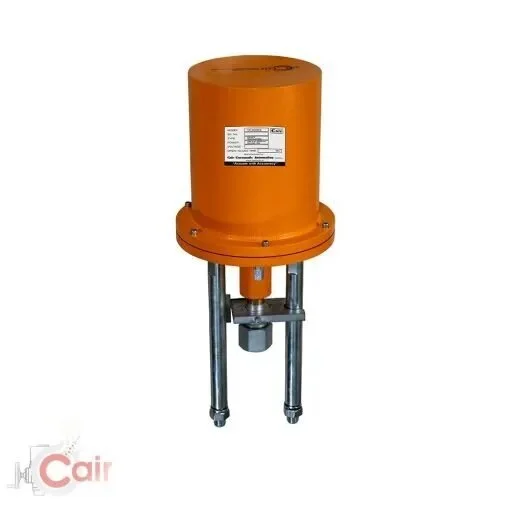
Like many others, the Textile industry is experiencing major transformations due to technological advancements. Electric actuators, play a crucial role in automating many processes in fabric manufacturing and are one of the key innovations powering this evolution. Electric actuators are the top-most elements of the valve industry that convert electrical energy into mechanical movement.
The integration of electric actuators into textile machinery has transformed how textiles are manufactured, offering more accuracy, effective performance, and management.
At Cair Euro Automation, we are the leading Electric Actuators manufacturer in India. We offer various types of Electric Actuators and industrial valves to meet the requirements and needs of industrial applications.
Understanding electric actuators:
Electric actuators are essential components in innovative fabric machinery. They are responsible for turning electrical signals into mechanical movements, allowing for automated control over various fabric methods.
Their flexibility allows them to be utilized for a wide range of applications, from simple tasks like regulating pressure to more complex activities like managing designs and speeds in knitting and weaving machines.
The Impact of Electric Actuators on Textile Manufacturing:
Automation of Textile Techniques:
The automation of textile manufacturing through the usage of electrically operated actuators has resulted in major improvements in fabric manufacturing.
For Example, automated looms, dyeing machines, and slicing machines equipped with electric actuators have demonstrated huge improvements in both manufacturing pace and product quality. Companies that implemented actuators in their fabric production operations have reported improved performance and lower operating costs.
Smart Textiles and Wearable Technology:
Electric actuators also play a key role in the development of smart textiles and wearable technologies. These actuators allow for the incorporation of sensors and other electronic elements into the fabric, taking advantage of the development of textiles that can respond to environmental forces or reveal physiological information. This invention is creating new opportunities in the fabric industry, especially in areas like healthcare and sportswear.
Customization and Adaptability:
In today’s highly competitive marketplace, the ability to create custom-designed solutions is essential. Electric actuators are versatile and can meet a broad spectrum of market demands.
They allow textile manufacturers to customize manufacturing processes to specific requirements, whether it’s producing limited quantities of customized fabric or modifying equipment settings for unique textiles.
Applications of Electric Actuators in the Textile Industry
Electric actuators have identified deals throughout multiple phases of fabric production, contributing to automation, and optimizing operations. Here’s how they are making a difference:
Looms: In weaving, electronic actuators are used to control warp anxiety and change the location of weaving materials. This provides constant cloth quality and minimizes guide intervention.
Dyeing and Finishing Machines: Electric actuators offer specific control in dyeing procedures, by modifying dye programs to ensure consistency. They also automate fabric finishing procedures, which improves productivity and reduces waste.
Knitting Machines: Electric actuators deliver precise control over needle selection and speed while taking into consideration complicated styles and patterns. This level of accuracy is especially significant when creating high-quality knitwear.
Printing Machines: In textile printing, electronic actuators control the movement of printing heads, and allow them for customized sample placement. They also make sample changes more automated which results in quick production and better variety.
Cutting Machines: Precision is important in material cutting. Electric actuators give accuracy in slicing patterns and designs. They automate reduction operations, which minimizes errors and increases manufacturing efficiency.
Benefits of Electric Actuators in the Textile Industry:
The integration of electrical actuators in fabric machinery offers various benefits, which makes them fundamental in modern fabric manufacturing.
Increased Quality:
Electric actuators provide specific control over multiple fabric procedures which leads to products of higher quality with minimal errors.
Enhanced Efficiency:
The automation of textile approaches with electric actuators lowers the need for guide intervention, which results in quick production times and reduced costs of labor.
Flexibility and Customization:
Electric actuators enable easy adjustments to fabric machines, allowing manufacturers to quickly respond to changing market demands and modify manufacturing as needed.
Implications of Using Electric Actuators:
The installation of electrical actuators in the fabric industry has various implications:
Environmental Impact: Electric actuators contribute to more sustainable fabric production by reducing the consumption of energy and minimizing waste. They provide precise control over strategies, leading to less fabric waste and more environmentally friendly asset use.
Future Trends and Innovations: The future of electric actuators in the textile industry is encouraging, with ongoing innovations focused on improving their overall performance and integrating them into smart production systems. As the industry continues to evolve, the role of electrical actuators will probably grow promoting further advancements in textile production.
Conclusion:
Electric actuators have emerged as an essential component of fabric production automation, offering numerous advantages involving increased accuracy, performance, and flexibility. Companies that have embraced this generation are reaping the rewards of stepped-forward production techniques and higher-quality products.
As the textile industry keeps evolving, electric-powered actuators are bound to play a key role in shaping the future, riding on advances in intelligent fabrics and sustainable production techniques. The usage of electric actuators is more than simply a trend; it is a need for being competitive in the constantly evolving fabric world. Discover how Cair Euro Automation’s innovative solutions can optimize your industrial processes. Contact us today to learn more about our innovative valves and actuators technologies!