
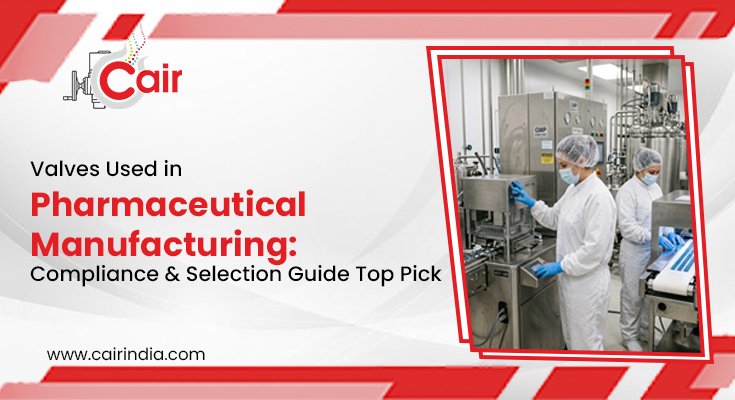
Pharmaceutical manufacturing is one of the most demanding environments a valve will ever work in. The process fluid today might be purified water. Tomorrow it’s a solvent. Next week, a corrosive cleaning agent used for CIP (Clean-in-Place). The valve that handles all three needs to be chemically compatible, completely drainable, easy to sterilise, traceable to material certifications, and – critically – it must not contaminate the product it’s controlling.
That’s before you account for regulatory compliance. India’s pharmaceutical industry is subject to Schedule M (revised GMP rules under the Drugs and Cosmetics Act), WHO-GMP guidelines, USFDA requirements for export plants, and EU GMP standards for European market access. Every single one of these frameworks has something to say about how valves are designed, installed, and maintained.
This guide exists because most valve selection guides ignore pharma entirely – or treat it as a footnote. If you’re a process engineer, plant manager, or procurement specialist in a pharmaceutical facility, this is the dedicated, complete resource you’ve been looking for.
Why Pharmaceutical Manufacturing Demands a Different Approach to Valve Selection
In a standard industrial application, valve selection is driven by three variables: pressure, temperature, and fluid compatibility. In pharmaceutical manufacturing, you have those three – plus four more that are equally critical:
- Contamination risk – The valve must not shed particles, metallic ions, or elastomer debris into the process stream. This is a product quality and patient safety issue.
- Cleanability – The internal geometry of the valve must be fully cleanable either in-place (CIP) or by steam sterilisation (SIP). Dead legs – cavities where fluid pools and stagnates – are breeding grounds for microbial contamination.
- Material traceability – GMP and FDA regulations require that materials of construction for product-contact surfaces be documented, certified (material test certificates), and traceable. Buying valves without material certifications is a regulatory non-starter.
- Regulatory compliance – Depending on your facility’s approvals and target markets, you may need valves compliant with 3-A Sanitary Standards, ASME BPE (Bioprocessing Equipment), FDA CFR 21, or Schedule M.
Get any of these wrong and you’re not just looking at valve failure – you’re looking at batch rejection, FDA 483 observations, WHO-GMP audit failures, or a product recall.
Compliance Standards Every Pharma Plant Must Know
Before selecting a single valve, your engineering team needs to know which regulatory frameworks govern your facility. Here’s a concise breakdown:
Schedule M (Revised) – India GMP
Revised in 2023 and enforced from 2025, India’s revised Schedule M requires pharmaceutical manufacturers to implement quality management systems aligned with WHO-GMP. For utilities and process equipment – which includes all valves – it specifies:
- Equipment must be constructed of materials that do not react with, add to, or absorb the product
- Equipment must be designed to facilitate easy cleaning, sterilisation, and maintenance
- Surfaces in contact with intermediates or finished products must be smooth, impervious, and non-reactive
Valve implication: All product-contact valves must be smooth-bore (no crevices), made of materials like SS316L, PTFE, or EPDM with appropriate food/pharma grade certification, and must be fully drainable.
WHO-GMP Guidelines
WHO Technical Report 992 (the most recent GMP guidance) sets standards for water systems, process equipment, and utilities in pharmaceutical plants. Critical requirements for valves include:
- No use of materials that could leach substances into pharmaceutical water systems
- Dead-leg minimisation in purified water (PW) and Water for Injection (WFI) distribution loops
- Documentation of all materials of construction for product-contact surfaces
USFDA 21 CFR Part 211
For Indian pharmaceutical companies exporting to the United States (a major and growing market), FDA’s Current Good Manufacturing Practice regulations apply. Section 211.65 specifies that equipment surfaces that contact drug components or in-process materials shall not be reactive, additive, or absorptive. In practical terms, this eliminates uncoated carbon steel, most standard brass valves, and any valve with coatings that could delaminate.
ASME BPE (Bioprocessing Equipment Standard)
The gold standard for biopharmaceutical and sterile manufacturing. ASME BPE specifies surface finish requirements (Ra values), weld quality, design geometry (drain angles, dead-leg ratios), and material requirements for all product-contact components. Plants manufacturing biologics, vaccines, or sterile injectables typically require ASME BPE-compliant valve designs.
The 6 Most Important Valve Types in Pharmaceutical Manufacturing
Not every valve type is suitable for pharmaceutical use. Here’s a systematic look at the types you’ll encounter – and where each one belongs.
1. Diaphragm Valve – The Gold Standard for Sterile and High-Purity Applications
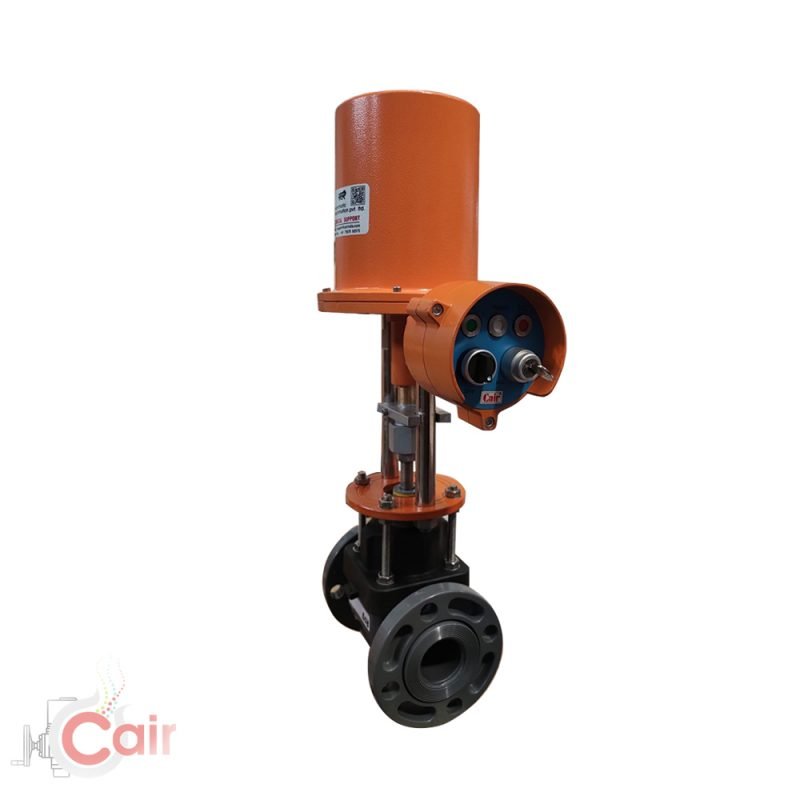
The diaphragm valve is arguably the most important valve type in pharmaceutical manufacturing. Its operating principle is simple: a flexible diaphragm is pressed against or lifted from a weir (or straight-through body) by a handwheel or actuator. The body below the diaphragm is the only part that contacts the process fluid – and it can be made completely smooth and crevice-free.
Why it’s preferred in pharma:
- Zero dead legs – fluid cannot pool in the valve mechanism
- Smooth, cleanable fluid path
- No stem packing or stuffing box that could shed contamination
- Fully drainable in the correct installation orientation
- Available in SS316L body with PTFE or EPDM diaphragm for broad chemical compatibility
- Suitable for CIP and SIP in-line cleaning and sterilisation
Where it’s used in pharma:
- Purified Water (PW) and WFI distribution loops
- Sterile buffer preparation and transfer
- API (Active Pharmaceutical Ingredient) process lines
- Bioreactor feed and harvest lines in biotech plants
- Filling machine feed lines in aseptic filling
Cair Euromatic’s Motorized Diaphragm Valve combines the pharma-friendly diaphragm design with electric actuator automation – allowing remote or automated control of clean process streams from a DCS or SCADA system without any manual intervention in the controlled area.
2. Ball Valve – For Isolation in Utility and Chemical Service Lines
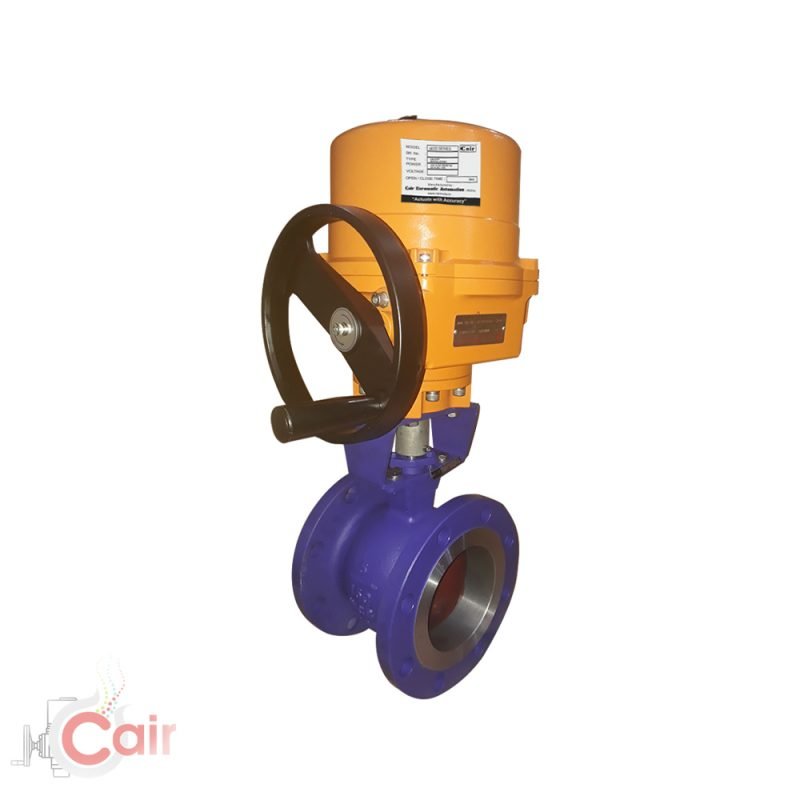
The ball valve is the workhorse of industrial pipework, and it has a significant role in pharmaceutical plants – primarily in utility systems and chemical handling, rather than direct product contact.
Standard ball valves are not typically used in product-contact pharmaceutical lines because the ball cavity creates a dead leg where product can accumulate. However, full-bore ball valves with PTFE seats in SS316L construction are used widely in:
- Purified Water isolation points (where the dead-leg concern is managed by design and flushing protocols)
- Clean steam supply and condensate return lines
- Chemical (NaOH, H₃PO₄, HNO₃) dosing and distribution for CIP systems
- Compressed air and nitrogen supply to process equipment
- Solvent recovery and transfer systems
Cair Euromatic’s Motorized Ball Valve range includes models in SS304, SS316, and with PTFE seats – suitable for the full range of pharmaceutical utility and chemical service applications. For highly corrosive CIP chemicals, the UPVC True Union Ball Valve is an excellent cost-effective alternative that delivers complete corrosion resistance.
For smaller bore manual isolation points, Cair Euromatic’s Manual Ball Valves in stainless steel provide reliable, low-maintenance shutoff throughout the plant.
3. Butterfly Valve – For Large Bore Utility Line Isolation
Products by Category

Motorised AWWA C504 Standard Larger Dia. Butterfly Valve with Electric Actuator
Motorised Double Off-set Disc Butterfly Valve with Electrical Actuator
Motorised Extended stem Butterfly Valve with Electrical Actuator
Motorised High Performance Butterfly valve with Electrical Actuator
Motorised PTFE (FEP-PFA) Lined 2 Piece Design Butterfly Valve with Electrical Actuator
Motorised Rubber Lined Double Flanged Butterfly Valve with Electrical Actuator
Motorised UPVC Butterfly Valve with Electrical Actuator
Motorized Aluminum Body Butterfly valve with Electrical Actuator
Motorized Rubber Lined Wafer type Butterfly Valve with Electric Actuator

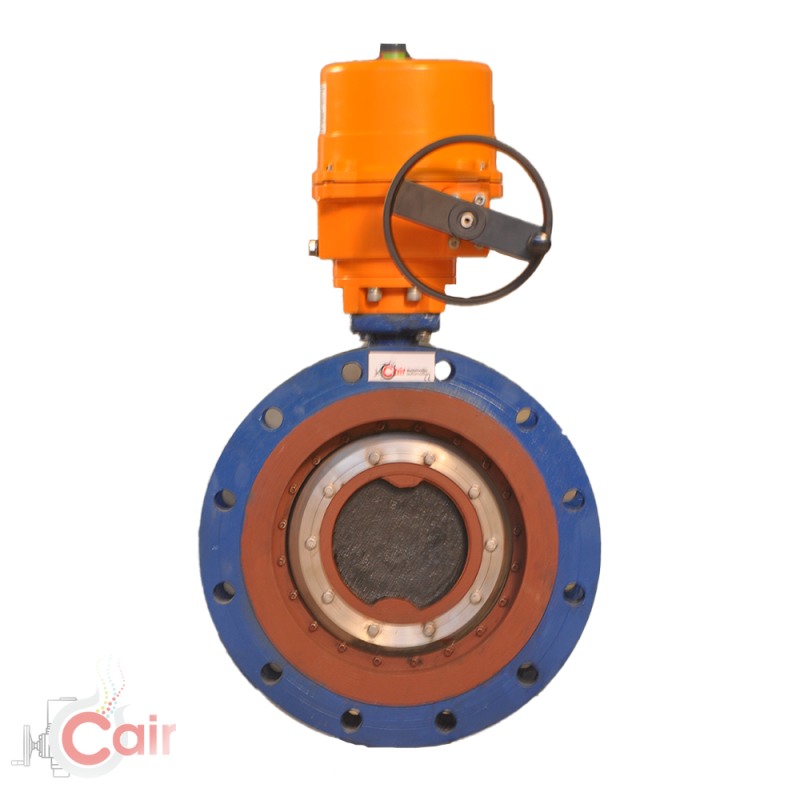

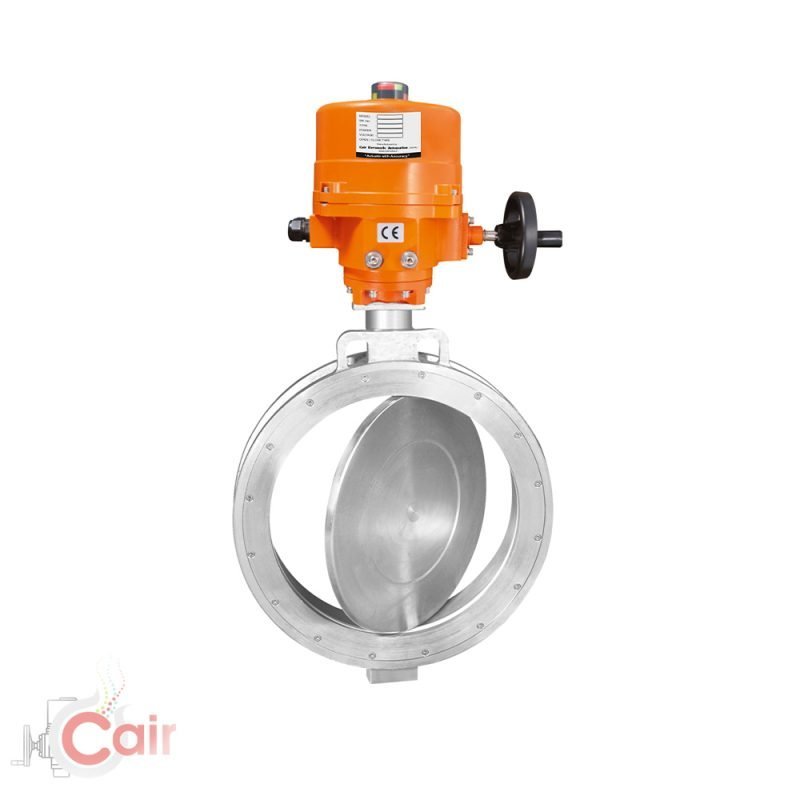
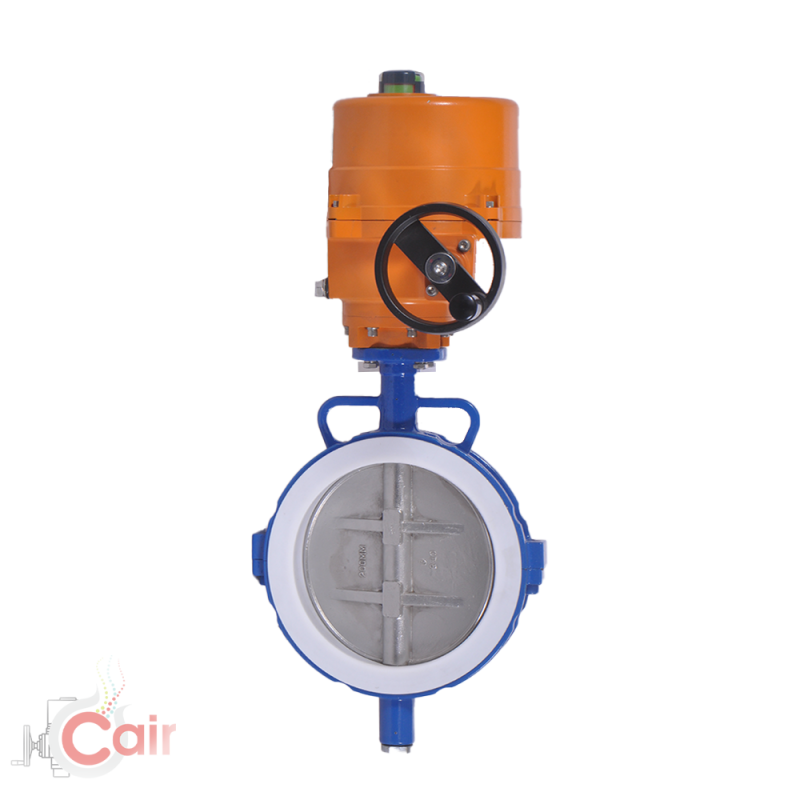
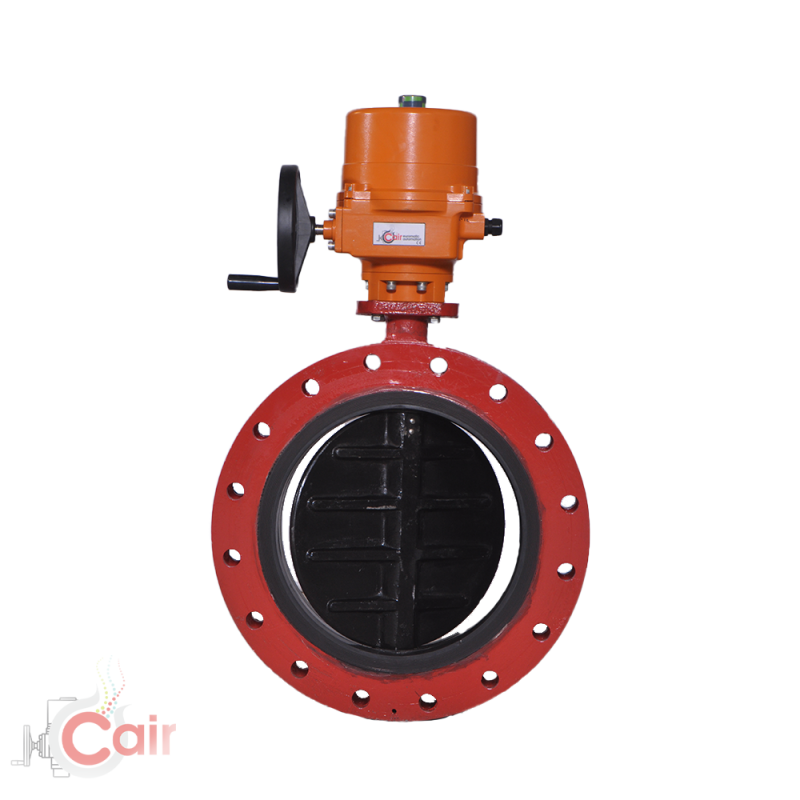
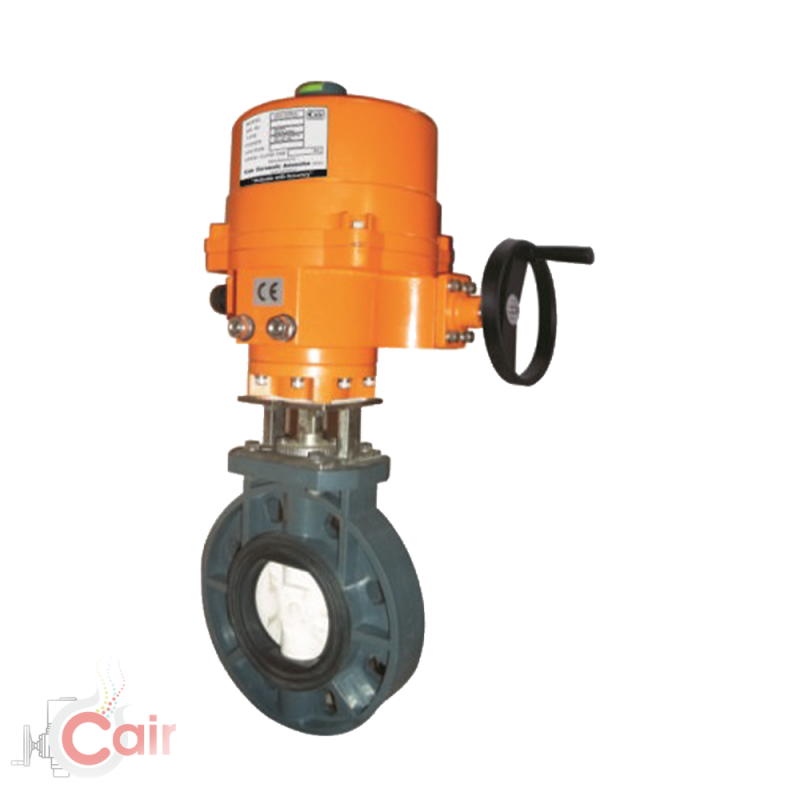


In larger diameter lines – typically DN80 and above – the butterfly valve is the standard isolation choice. It’s compact, lightweight, fast to operate, and available in materials suitable for pharmaceutical utility systems.
Pharmaceutical plant applications:
- Cooling water supply and return mains
- Chilled water distribution headers
- Condenser water systems (HVAC)
- Purified Water header isolation (with appropriate liner and disc material)
- Effluent treatment plant inlet/outlet isolation
For pharmaceutical-grade cooling water and HVAC systems where remote operation is required, Cair Euromatic’s Motorized Butterfly Valve range offers electric actuated control across a wide range of sizes and pressure ratings.
Manual versions from the Manual Butterfly Valve range are appropriate for manual isolation points on larger utility headers.
4. Globe Valve – For Flow Control and Steam Applications
The globe valve provides precise throttling capability – better than a ball valve or butterfly valve – and handles steam service better than most alternatives. In pharmaceutical plants, globe valves appear in:
- Steam pressure reduction stations (supplying clean steam or pure steam to autoclaves, SIP systems, WFI stills)
- Temperature control loops in reactors, jacketed vessels, and heat exchangers
- Sampling valves on critical process lines
- Pressure control in compressed gas supply systems
Cair Euromatic’s Motorized Globe Control Valve is designed for modulating service – where the valve is positioned anywhere between 0 and 100% open in response to a process control signal. This is particularly important in temperature-controlled reactor systems where precise steam flow control directly affects reaction yield and product quality.
Manual globe valves from Cair’s Manual Globe Valve range handle local manual control applications throughout the plant’s steam and utility systems.
5. Piston Valve – For High-Pressure Steam and Condensate

Where steam pressures are elevated – above 10 bar – and where tight shutoff combined with high mechanical strength is required, the piston valve is the preferred choice. The piston valve uses a cylindrical piston moving axially to control flow, providing excellent shutoff with low pressure drop across the seat.
Pharma applications:
- High-pressure clean steam supply lines
- Autoclave steam supply isolation
- High-pressure condensate return systems
- Process steam distribution above 10 bar
Cair Euromatic’s Piston Valve range is designed for reliable, long-service high-pressure steam service – a critical requirement in pharmaceutical manufacturing where autoclaves and sterilisers run continuously in validated cycles.
6. Gate Valve – For Infrequent Operation, Larger Bore Isolation
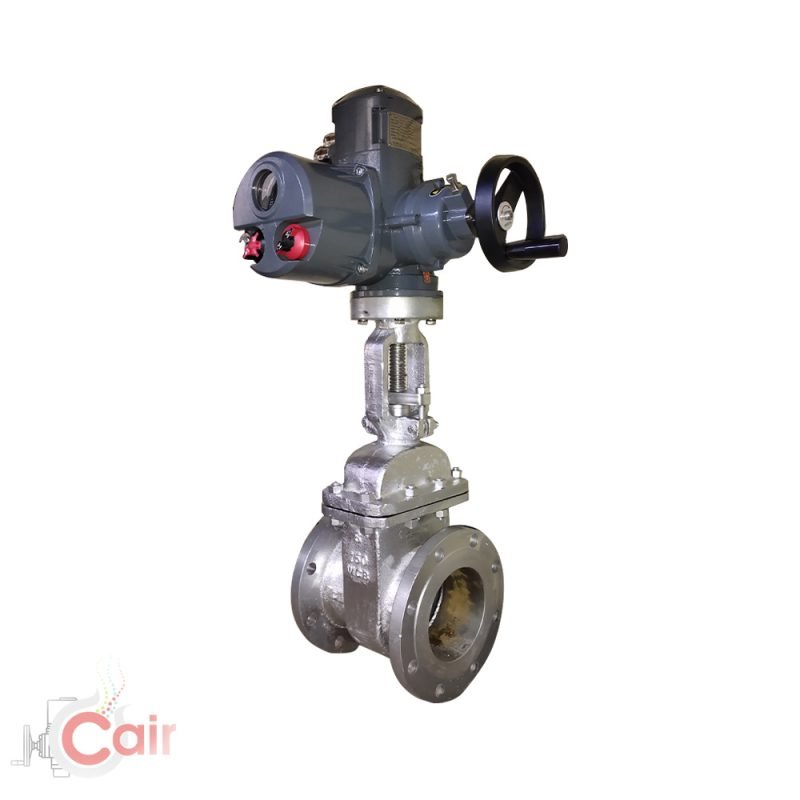


Gate valves remain common in pharmaceutical utility systems for applications where the valve is opened fully and left in that position – rarely operated. They provide low-resistance full-bore flow and reliable isolation.
Pharma applications:
- Water for injection still feed water supply
- Raw water and soft water main supply isolation
- Fire water systems
- Cooling tower supply and return main isolation
Cair Euromatic’s Manual Gate Valve range covers the sizes and pressure ratings needed for pharmaceutical plant utility systems.
Material Selection: The Foundation of GMP Compliance
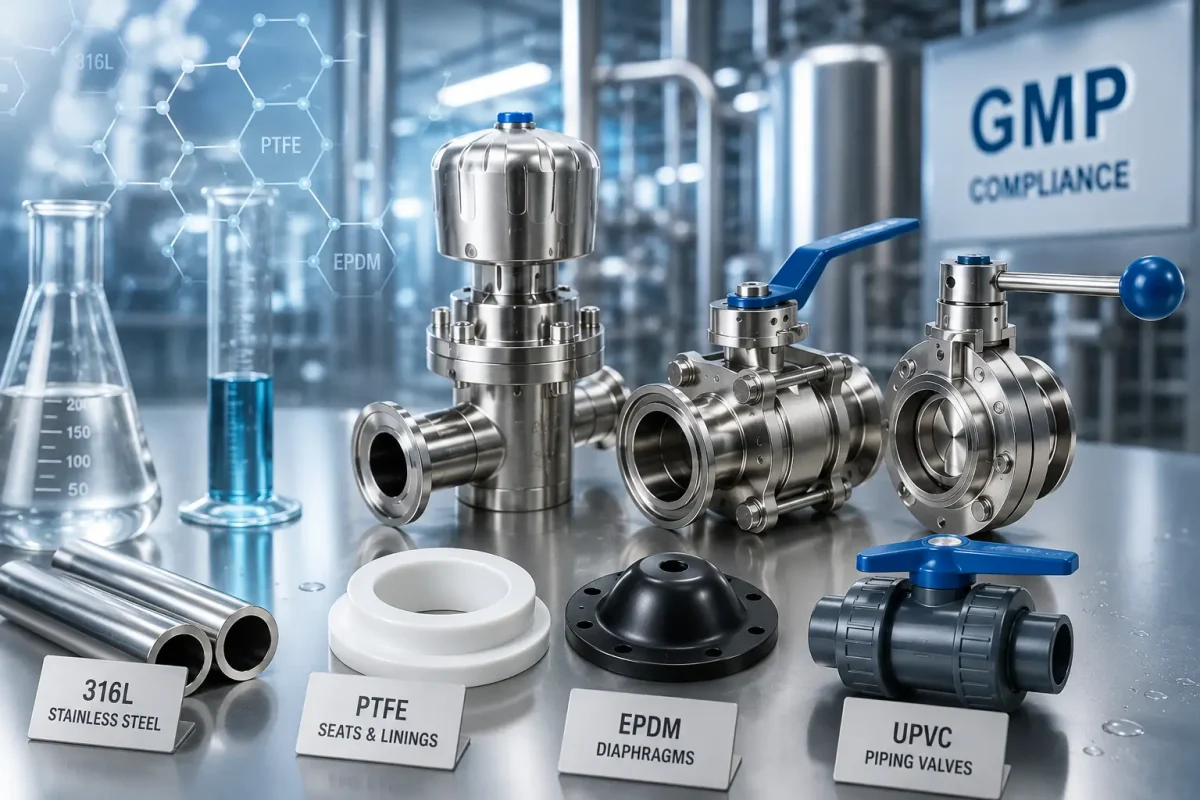
Material of construction is the single most important compliance decision in pharma valve specification. Here’s what you need to know:
Stainless Steel 316L – The Pharma Standard
SS316L (low carbon variant of SS316) is the dominant material for product-contact pharmaceutical valves. The addition of molybdenum gives excellent chloride resistance, and the low carbon content prevents chromium carbide precipitation (sensitisation) during welding – maintaining corrosion resistance across weld zones.
For ASME BPE compliance, internal surface finish of Ra ≤ 0.8 µm (mechanically polished) or Ra ≤ 0.5 µm (electropolished) is typically required.
PTFE (Polytetrafluoroethylene) Seats and Linings
PTFE is chemically inert to virtually all pharmaceutical process fluids, solvents, and CIP chemicals. It’s the standard material for ball valve seats, diaphragm valve linings, and stem seals in pharma service. PTFE seats carry FDA 21 CFR compliance and USP Class VI testing documentation.
EPDM (Ethylene Propylene Diene Monomer) Diaphragms
EPDM diaphragms are preferred in diaphragm valves for aqueous pharmaceutical media, buffer solutions, and purified water. EPDM offers excellent steam resistance – important for SIP sterilisation cycles – and is available in pharma-grade formulations with FDA compliance documentation.
When UPVC Is Appropriate
For CIP chemical distribution lines (NaOH, HNO₃, H₃PO₄), where the fluid is corrosive cleaning agent rather than pharmaceutical product, UPVC Valves provide an extremely cost-effective, corrosion-resistant alternative to SS316. Since these lines handle cleaning chemicals rather than product, the stringent surface finish requirements of ASME BPE do not apply – making UPVC entirely appropriate and economically advantageous.
Automation in Pharmaceutical Manufacturing: Why Manual Valves Are Not Enough
Modern pharmaceutical manufacturing – particularly under revised Schedule M and FDA guidance – emphasises process control, reproducibility, and documentation. Manual valve operation introduces human error, is difficult to validate, and creates data integrity gaps in batch records.
Electric actuated valves solve three critical pharma manufacturing problems:
- Process Reproducibility: Automated valves operate identically every cycle – the valve opens to the same position in the same time, every time. This is fundamental to validated processes under GMP.
- Data Integrity: Actuated valves connected to a DCS or SCADA system generate time-stamped electronic records of every valve operation. This is essential for batch record documentation and FDA 21 CFR Part 11 electronic records compliance.
- Contamination Reduction: Automating valve operation in controlled areas (Grade B, Grade C) reduces personnel movement – and therefore contamination risk – in classified zones.
Cair Euromatic’s Quarter-Turn Electric Actuators are designed to mount directly on ball and butterfly valves, while Multi-Turn Electric Actuators handle globe and gate valve automation. Both integrate with standard 4–20 mA or on/off control signals from pharmaceutical plant DCS systems.
For automated valve positions that require verified open/close status feedback to the DCS, a Limit Switch Box provides the discrete signals needed for interlocking and batch record documentation. Where precise proportional control is needed – steam control on a jacketed reactor, for example – a Valve Positioner accepts the 4–20 mA control signal and provides accurate valve positioning with feedback.
Pharma Valve Selection Quick Reference
Use this table to rapidly shortlist the right valve for each system in your pharmaceutical plant:
| System / Application | Recommended Valve Type | Key Specification |
| WFI & Purified Water distribution | Motorized Diaphragm Valve | SS316L body, PTFE/EPDM diaphragm, full-drain design |
| API process lines | Diaphragm Valve (manual or motorized) | ASME BPE surface finish, material certificates |
| CIP chemical dosing (NaOH, HNO₃) | UPVC Ball Valve or SS Ball Valve | Corrosion resistance, true union design |
| Utility isolation (cooling water, air, N₂) | Manual Ball Valve or Motorized Ball Valve | SS316 or MS body per pressure rating |
| Large bore utility header isolation | Motorized Butterfly Valve | DN80+, SS disc with EPDM seat |
| Steam control (reactor, heat exchanger) | Motorized Globe Control Valve | With positioner, modulating control |
| High-pressure clean steam | Piston Valve | High-pressure rated, SS body |
| Infrequently operated large isolation | Manual Gate Valve | Full-bore, low pressure drop |
| Sampling and vent lines | Manual Globe Valve | Small bore, SS316 |
5 Common Valve Specification Mistakes in Pharma Projects
Avoiding these errors will save your project from regulatory observations, rework, and budget overruns.
Mistake 1: Specifying standard valves without material certificates. GMP auditors will ask for material test certificates (MTCs) for all product-contact valve components. Ordering valves without requiring MTCs at the time of purchase means either sourcing retroactively (difficult and expensive) or replacing the valve.
Mistake 2: Using standard ball valves in WFI loops without dead-leg management. A standard ball valve creates a cavity that is difficult to flush and can harbour biofilm. Either specify diaphragm valves for direct product contact points, or install ball valves with strict dead-leg distance controls (typically L/D ratio ≤ 6 per ISPE guidelines).
Mistake 3: Using cast iron or carbon steel valves in pharmaceutical utility systems. Rust particles entering a water system – even a utility cooling water system – can migrate to heat exchangers and ultimately affect product areas. Stainless steel is strongly preferred throughout pharmaceutical facilities.
Mistake 4: Ignoring CIP chemical compatibility when selecting valve elastomers. The EPDM or PTFE that performs well with pharmaceutical water may degrade rapidly under repeated exposure to hot caustic NaOH or hot nitric acid CIP cycles. Always verify elastomer compatibility across all fluids the valve will see – not just the primary process fluid.
Mistake 5: Not planning for valve position feedback in automated systems. An actuated valve without position feedback is a compliance gap – your DCS shows the signal sent to the valve, not the actual valve position. Always specify limit switches or positioner feedback for GMP-relevant automated valves.
Why Cair Euromatic Is a Trusted Partner for Pharmaceutical Plant Valve Supply
Supplying valves to a pharmaceutical plant is not just a product transaction – it requires a supplier who understands your compliance requirements, can provide the documentation your QA team needs, and can support your installation, commissioning, and maintenance teams.
Cair Euromatic has over 20 years of manufacturing experience and serves pharmaceutical clients across India. Their capabilities include:
- Material traceability – Material test certificates (MTCs) available for product-contact components
- Wide product range – From diaphragm valves for WFI systems to explosion-proof actuated valves for solvent handling areas
- Actuator integration – All manual valves can be supplied with matched electric actuators for process automation
- Technical support – Application-specific valve selection guidance from a team that understands pharmaceutical process requirements
Explore Cair Euromatic’s complete product range or contact the team for pharmaceutical project-specific guidance:\
Also Explore
- All Motorized Valves – Automated valve solutions for pharmaceutical process control
- All Manual Valves – Full range of SS and UPVC manual valves
- Electric Actuators – Quarter-turn and multi-turn actuators for valve automation
- Accessories – Limit switch boxes, positioners, manual overrides
- Valves in Food, Beverage & Pharma – Related reading
Frequently Asked Questions
Diaphragm valves are the gold standard for product-contact points in PW and WFI loops because they have no dead legs, are fully drainable, and support CIP and SIP sterilisation in-line. Ball valves can be used at isolation points with strict dead-leg distance management.
SS316L (low carbon stainless steel) with PTFE seats and EPDM or PTFE diaphragms is the standard for product-contact pharmaceutical valves. All materials should carry FDA compliance documentation (FDA 21 CFR, USP Class VI) and material test certificates.
Yes. India’s revised Schedule M (enforced from 2025) requires that all product-contact equipment – including valves – be made of non-reactive, non-contaminating materials with smooth, cleanable surfaces. Vendors must be able to supply material documentation on request.
Yes, but only in non-product-contact utility and chemical service lines – such as CIP chemical distribution (NaOH, HNO₃), cooling water, or effluent treatment. UPVC is not appropriate for direct product contact or pharmaceutical water systems.
Automated valves support GMP compliance by ensuring reproducible valve operation, generating electronic audit trail records for batch documentation, and reducing personnel movement in classified manufacturing areas. They also eliminate human error in critical process steps.
A dead leg is any section of piping or valve internal cavity where process fluid can pool and stagnate rather than flowing continuously. In pharmaceutical water systems, dead legs allow biofilm to form – a direct contamination risk. Regulatory guidance (ISPE, WHO) requires dead-leg L/D ratios to be minimised, typically ≤ 6, and valve designs that inherently eliminate dead legs (like diaphragm valves) are preferred.