

In industrial settings, thing to decide on the proper valve must be important for controlling the flow of media. Valves are fundamental components in industries along with oil and fuel, water treatment, and chemical processing, in which controlling pressure and flow rate is crucial to effective performance and safety. Among the available various options, Globe Valves, and Gate Valves are two of the most used valve types in the valve industry.
In this article, we will provide a comprehensive guide between globe valves and gate valves, helping you to easily make an informed selection for your flow control requirements of the applications. Cair Euro Automation, a leading Valve Manufacturer of high-quality industrial valves ensures that both of these valves offer the best operation for industrial applications
Understanding Globe Valves
Definition and Function:
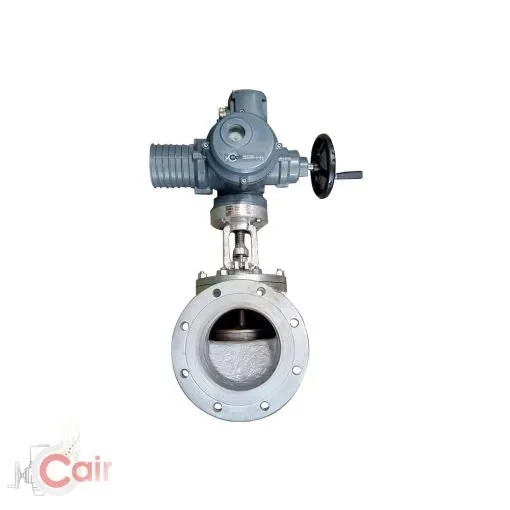
Globe valves are linear motion valves used to regulate or throttle the go with the flow of fluid. Unlike different types of valves, globe valves are mainly designed for unique control. They can open or near the valve in part, allowing you to best-tune the flow rate as needed. Cair Euro Automation gives globe valve engineered for precision, making them perfect for industries where controlling the flow is crucial.
Design and Structure:
The exclusive design of a globe valve includes a spherical body, a movable disk, and a stationary ring seat. The disk moves perpendicular to the seat, which ends up inside the beginning or ultimate of the valve. This unique structure permits higher throttling control than other valve types. The body commonly has an “S” form, which forces the fluid to change direction inside the valve, leading to high-pressure drops with increased regulation.
Applications:
Globe valves are mostly used in industries in which a unique control flow of media is required. Common applications include water cooling systems, gas oil structures, and chemical feed systems. Cair Euro Automation’s globe valves are mainly desired in industries requiring frequent valve adjustments, as their unique design allows effective throttling.
Advantages and Disadvantages
Advantages:
- Excellent throttling capability
- Precise flow control
- Simple to maintain
Disadvantages:
- Higher pressure drop due to fluid course change.
- More complex design compared to gate valves, frequently resulting in better expenses
Understanding Gate Valves
Definition and Function:
Alternatively, Gate Valves are used to start or stop the flow of media. They feature by way of raising or lowering a gate, which either allows full flow or blocks it. These valves are not designed for throttling, and using them for a few applications can result in premature wear. Cair Euro Automation manufactures durable gate valve that offer effective on-off fluid control. We also offer a Motorized Gate Valve featuring Electric Actuators, which helps you to fulfill the requirements for applications where flow resistance is minimally needed.
Design and Structure:
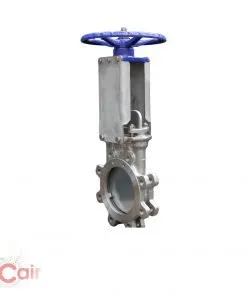
A Gate valve features a simple structure wherein a wedge-shaped gate is lowered into or lifted out of the fluid path. The gate moves vertically in the valve, and when completely open, it allows the flow of fluid to flow freely with minimum resistance. This straightforward design results in a full bore flow, which makes gate valves an efficient alternative for applications requiring complete flow operations.

Applications:
Gate valves are usually utilized in applications wherein fluid goes with the flow and needs to be absolutely opened or completely closed, without the need for throttling. They are frequently utilized in oil and fuel pipelines, wastewater structures, and water distribution networks. Cair Euro Automation’s gate valves are extensively hired in systems wherein low resistance and uninterrupted fluid float are priorities.
Advantages and Disadvantages
Advantages:
- Minimal pressure drop when fully open
- Simple and cost-effective design
- Suitable for high-pressure and high–temperature applications
Disadvantages:
- Not suitable for throttling applications
- Slow to operate, when compared to globe valves
- Requires large space for the overall lift of the gate
Key Differences Between Globe Valve and Gate Valve
Flow Control: Globe valves are designed for unique throttling, while gate valves are used for on-off control without throttling.
Pressure Drop: Globe valves have high-pressure drops due to their design, whereas gate valves provide minimal pressure drops when fully open.
Design and Structure: Globe valves characteristic a more complicated design compared to gate valves, which are less difficult in shape.
Maintenance: Globe valves are easy to maintain due to their design, while gate valves require extra effort, especially for large valves.
Application: Globe valves are perfect for specific flow control, whereas gate valves are highly suitable for applications wherein the valve is either completely open or completely closed.
Best Applications for Globe Valves vs Gate Valves
When to Choose a Globe Valve:
If your application requires a precise regulation of the flow, a globe valve is the suitable option. Globe valves are the perfect solution for applications that need frequent adjustments, consisting of in-water cooling systems, fuel oil systems, or structures coping with harsh fluids. Cair Euro Automation’s globe valves are specifically designed for these systems, to ensure long-term performance and reliability.
When to Choose a Gate Valve:
Gate valves are mostly used in applications wherein full flow or zero flow is required. They work well in large pipelines, wherein the valve will remain completely open or completely closed maximum of the time. Gate valves are ideal for water distribution, sewage remedy systems, and oil and gas systems. Cair Euro offers gate valves that are rugged and durable, able to handle excessive-pressure environments.
May you like our another insight: Damper Valve vs. Butterfly Valve
How to Choose the Right Valve for Your Needs:
When selecting between a globe valve and a gate valve, consider the following factors:
1.} Flow Requirements: If your system requires excellent-tuned flow control, a globe valve is the best solution. If you only need full flow or zero flow control, go with a gate valve.
2.} System Pressure: Gate valves are commonly best suitable for high-pressure applications, at the same time as globe valves are better acceptable for slight pressures where throttling is needed.
3.} Maintenance Needs: Globe valves are easy to maintain and repair, specifically in applications that require frequent adjustments.
4.} Cost: Gate valves are commonly a great choice and cost-effective due to their simple design, however, the increased control offered by employing globe valves can justify the higher price in applications that need it.
Industry-Specific Examples:
Oil and Gas: In oil pipelines, gate valves are favored due to their potential to provide full bore flow with minimal pressure loss. However, globe valves are used in applications requiring specific control, such as refining and gas systems.
Water Treatment: Gate valves are not suitable in water distribution systems due to their easy operation and sturdiness. Globe valves are frequently used in areas wherein controlled flow is required, including the chemical industry.
Chemical Processing: In the chemical industry, precise flow is crucial which makes the globe valve a go-to choice. Cair Euro’s materials are both types of valves tailor-made for harsh chemical environments.
Conclusion
Choosing the right valve for flow control is crucial for optimising the performance and longevity of your applications. Globe valves and gate valves each have their own strengths and ideal applications. Globe valves, consisting of the ones presented by Cair Euro Automation, provide high-quality go-with-the-flow regulation and are ideal for systems requiring precise control.
However, Gate Valves are better suitable for applications requiring simple on-off control with minimal pressure drop. By understanding the key differences and unique advantages of each, you can make a wise decision that meets the unique requirements of your industrial application.