

The use of modern-era valves plays a vital role in ensuring efficient operation in the most modern enterprise systems. With the craze closer to automation, motorized valves have become vital in today’s industries, improving system management and reducing the need for wizard intervention.
Two commonly used motorized valves in industrial applications are the motorized damper and throttle valve. This article will dive into the important variations between these valve types and guide you in deciding which one is right for your service.
At Cair Euro Automation we focus on providing a wide range of motorized valves along with dampers and dampers that are designed to meet the specific needs of various industries.
What is a motorized damper?
A motorized damper valve is a handling tool designed to change the flow of air or gases in HVAC structures, power plants, and commercial manufacturing facilities. It usually consists of a chain of blades that open or close to control the flow of air. The damping valve can be motorized, taking into account automated unique settings that significantly improve the performance of the device.
Types of motorized dampers:
Manufactured Double Flange Damper Valve: Suitable for excessive temperature environments, ideal for controlling large volumes of air in HVAC systems.
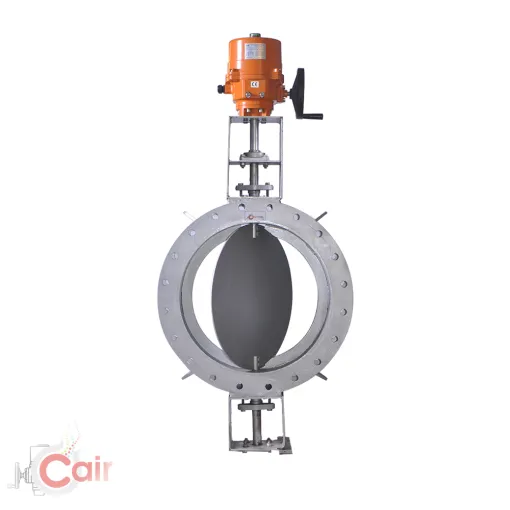
Motorized Guillotine Damper Valve: A specialized valve used in gas or dirt filtration systems.
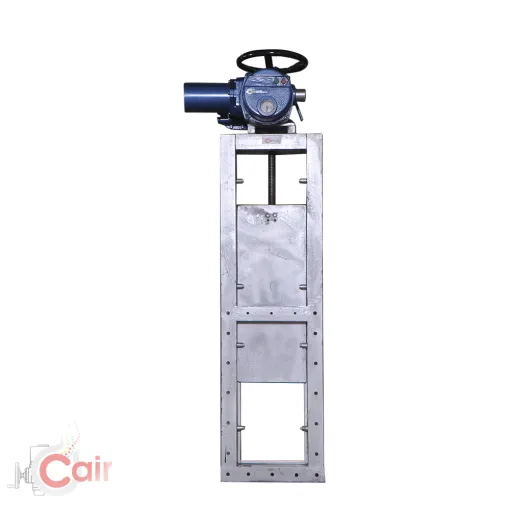
Multi-Louver Damper: Designed for satisfactory airflow tuning, typically used in commercial furnaces and massive air flow structures.
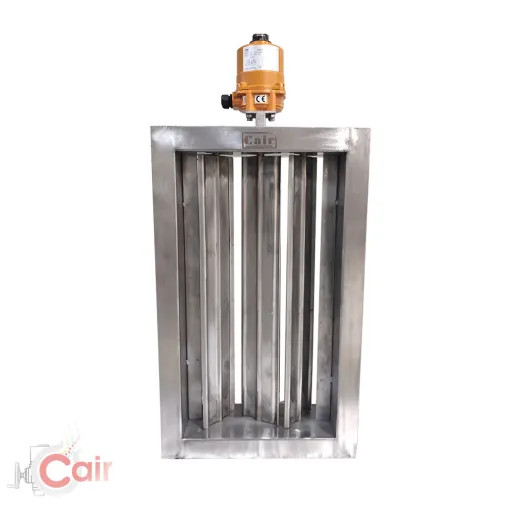
Common Applications:
Motorized damper valves are widely used in industries such as HVAC, power era, and large-scale manufacturing. Their number one function is to control airflow in massive ducts and structures where performance is paramount.
Advantages:
- Provides unique airflow control.
- Reduces power consumption when optimizing with automatic structures.
- Excellent for use in low-stress environments.
Disadvantages:
- Limited to low-pressure and coffee-temperature applications.
- Not suitable for liquid media.
What is a motorized butterfly valve?
A motorized butterfly valve is a type of valve that uses a motorized actuator to control the flow of fluid through a pipe. It consists of a disc (the butterfly) mounted on a rotating shaft. When the valve is closed, the disc blocks the flow; when opened, the disc rotates to allow fluid to pass through.
Types of motorized dampers:
Plate Type: The plate flap is compact and lightweight for tight spaces.
Double Flanged: Stronger and designed for high-responsibility applications.
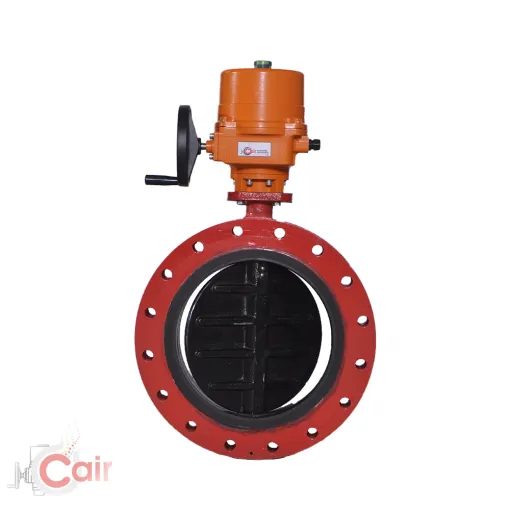
Double Offset Disc: For better unique flow handling in higher-stress applications.
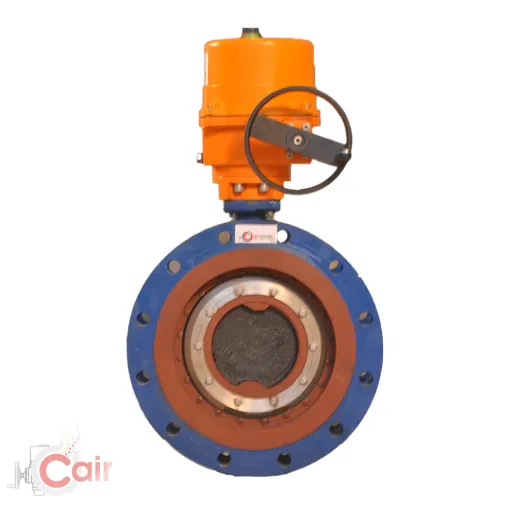
Triple Offset Disc: Suitable for high temperature and pressure conditions.
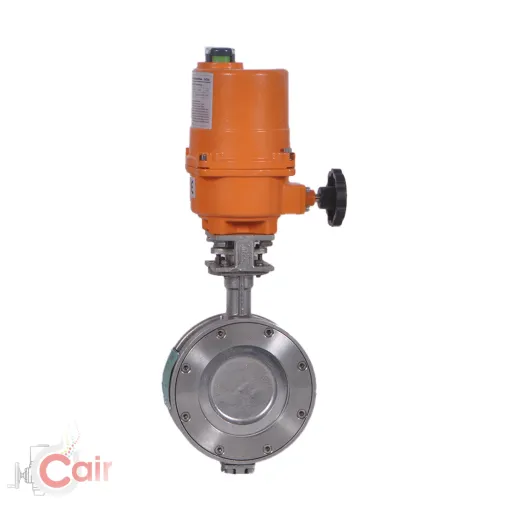
Motorized Extended Stem: Useful in areas that require remote control.
Motorized UPVC: Cost-effective option for industrial water treatment and chemical processing.
Common Applications:
Motorized folding valves are widely used in industries such as oil & gas, water treatment, and chemical processing. Their ability to handle high-pressure environments makes them ideal for critical operations.
Advantages:
- It works quickly and easily, even on different operating systems.
- It works best in high-pressure and high-temperature environments.
- Suitable for water and airflow control.
Disadvantages:
- May not provide the same accuracy as damper valves for supplying air.
- A partially open disk can cause small disturbances in the flow.
Key differences between mechanical dampers and butterfly valves:
Design and Structure:
Motorized Damper Valve: Specially designed to control the flow of air in large cylinders. Its tubes or louvers are going to control the airflow or ventilation.
Motorized butterfly valve: Used to control the flow. It uses a rotating disc that opens and closes with mechanical assistance, ideal for liquid or pneumatic applications.
Operational Mechanism:
Motorized damper valve: Usually works with linear or multiple louver movements to control airflow.
Motorized butterfly valve: uses a rotary wheel to allow or restrict the flow of water, increasing the flow speed and efficiency.
Pressure and Temperature Control:
Motorized damper valve: Ideal for low-pressure and low-temperature environments.
Motorized butterfly valve: This can handle high pressures and temperatures, making it practical for a wide range of industrial applications.
Flow control capabilities:
Motorized Damper Valve: Provides gradual, precise control of airflow, perfect for HVAC and other applications.
Motorized butterfly valve: Provides quick and precise flow control, making it ideally suited for high-speed processes in industries such as oil & gas.
Cost and Maintenance:
Motorized Damper Valves: Generally inexpensive and easy to maintain, especially in low-pressure applications.
Mechanical fly valves have a high initial cost and maintenance is difficult, especially in high-pressure systems.
Application Suitability:
Motorized Damper Valve: Perfect for applications that focus on airflow, such as HVAC systems and environmental monitoring.
Motorized butterfly valve: Ideal for applications where precise control of water or gas flow is important, such as water treatment and oil & gas.
Advantages of motorised valves:
1. Benefits of Automation:
Mechanical valves, whether dampers or bees, greatly enhance the automation of mechanical components. Automatic control reduces manual labour, increases productivity, and reduces human error in complex industrial systems.
2. Energy conservation:
Mechanical valves reduce energy consumption by providing better control over liquid or airflow. By ensuring that valves are only opened or closed when necessary, energy is conserved, resulting in long-term cost savings.
3. Remote monitoring and control:
By integrating mechanical valves with advanced automation systems or IoT (Internet of Things) technology, operators can remotely monitor and control systems
How to choose the right valve for your application:
Consider the following factors when deciding between a mechanical damper valve and a mechanical butterfly valve.
Pressure and Temperature Requirements: Mechanically designed fly valves are more suitable for high-pressure and high-temperature applications. Damper valves work best in low-pressure and low-temperature environments.
Media: Damper valves are best for air, while butterfly valves excel in liquid-air applications.
Space and installation: Wafer-shaped machined butterfly valves, for example, are ideal for tight spaces.
Cost Considerations: Damper valves are generally more economical at low pressures, while the butterfly valve provides long-lasting benefits in high-pressure systems
When to choose a Mechanical Damper Valve:
If you work with water or air in industries such as oil & gas or water treatment, a motorized folding valve from Cair Euro Automation is your best bet for accurate and reliable flow control.
Conclusion:
Motorized damper valves and motorized folding valves serve specific purposes in industrial systems. Understanding the differences in their design, application, and application is key to choosing the right valve for your needs. For expert advice and superior motorized valves, trust Cair Euro Automation, the industry-leading supplier and manufacturer, committed to delivering excellence in flow control solutions.