
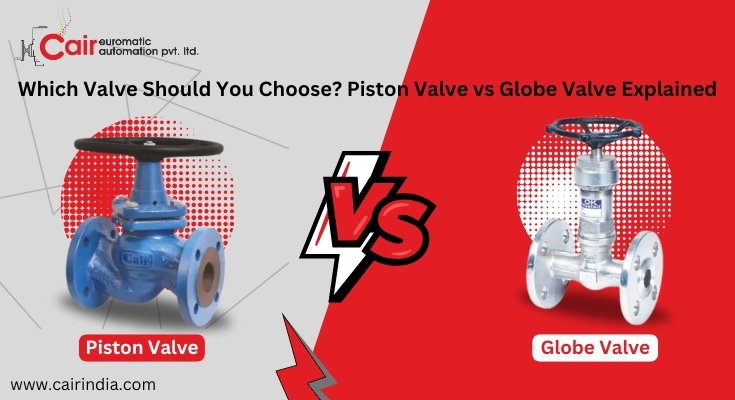
Choosing the right valve is essential for industries in which fluid and gasoline go with the flow regulation and control are critical. In various sectors whether it’s oil and gas, pharmaceuticals, chemicals, or wastewater application, deciding on the great valve for specific applications affects operational performance, safety, and value-effectiveness.
Cair Euro Automation offers the best quality Piston valves and globe valves are two usually used options, each with precise designs, functionalities, and advantages. At Cair Euro Automation, we are the leading Valve Manufacturer in India. Understanding these differences can help ensure you’re making the right decision that optimally meets your gadget’s needs.
Piston Valves and Globe Valves
Piston Valve
A piston valve is designed to adjust or close off the glide of fluid or fuel within a pipeline gadget. Its key characteristic is a piston-like mechanism that acts vertically to govern glide. Constructed generally from materials like chrome steel, bronze, and solid iron, piston valves are regarded for their robust sealing capabilities, frequently using a remarkable elastomer seal.
Key Characteristics of Piston Valves
Design: A piston valve includes a cylindrical piston transferring internally a frame with a tight seal, offering a nearly leak-evidence shutoff. The sealing elements are arranged to lessen wear and decorate durability, especially underneath frequent cycling conditions.
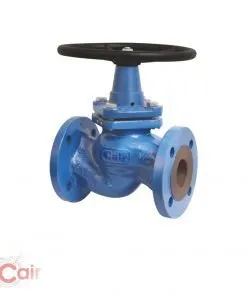
Function: Piston valves provide super performance in phrases of shutoff and might handle excessive pressures. Unlike a few different valve sorts, piston valves are designed to reduce leakage risks substantially.
Applications: Commonly found in industries along with steam systems, chemical processing, and food and beverage, piston valves are perfect where leakage control and durability are paramount.
Globe Valve
A Globe valve is engineered to start, prevent, and adjust fluid float. Its layout features a disc that moves up and down to manipulate float. When closed, the disc tightly seals in opposition to the seat to limit glide. Globe valves are generally crafted from materials like stainless steel, cast iron, and brass, depending on the application.
Key Characteristics of Globe Valves
Design: The globe valve’s body has an internal baffle, which forces fluid to trade route as it passes through, making it ideal for regulating flow. The valve disc is designed to move perpendicularly to the valve seat, providing precise control over fluid float.
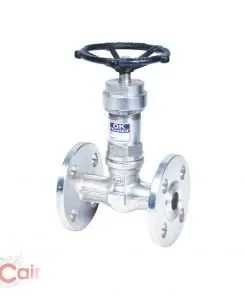
Function: Globe valves are especially effective for glide law, which makes them popular in structures requiring unique control.
Applications: Used across industries consisting of HVAC, petroleum, and chemical processing, globe valves excel in programs wherein throttling and float control are essential.
Key Differences Between Piston Valves and Globe Valves
Design and Structure:
Piston Valve Design: Contains a cylindrical piston that slides up and down inside a cylindrical seat, which offers a decent seal and minimizes leakage.
Globe Valve Design: Features a round frame (or “globe”) with a baffle that restricts the drift path, and a disc that acts perpendicularly to the waft, supplying specific flow control.
Functionality and Operation:
Piston Valve Operation: Piston valves are great perfect for on-off capabilities, with extremely good close-off capabilities, mainly in high-strain structures. They’re recognized for their minimal leakage because of using elastomer or PTFE seals around the piston.
Globe Valve Operation: Globe valves are designed to govern and regulate glide. They offer fine control over fluid and gas and go with the flow rather than piston valves however are usually much less powerful in on-off packages.
Globe valves excel in packages in which throttling and float control are important. However, Piston valves are high quality in programs in which durability and minimum leakage are priorities, particularly under high-pressure or high-temperature environments.
Maintenance and Durability:
Piston Valve: Known for minimum protection requirements, piston valves provide terrific sturdiness due to the low-put-on sealing layout. This makes them best for systems with common operations.
Globe Valve: Globe valves require slightly greater preservation because of the complicated design and extended wear from throttling actions. However, they may be extraordinarily long-lasting in terms of cloth resistance, especially whilst handling corrosive or excessive-temperature fluids.
Cost Considerations:
The preliminary price of each piston and globe valve can vary based totally on materials, design complexity, and size. Generally:
Piston Valves: Tend to be higher in advance cost because of their specialized sealing and robust creation. However, their durability and minimum leakage can offer long-term price blessings, mainly in essential packages wherein leak prevention is critical.
Globe Valves: Typically much less high priced upfront, globe valves may additionally require extra common maintenance. However, they’re fee-effective in programs wherein glide law is wanted without stringent sealing necessities.
Pros and Cons of Piston Valves
Pros:
– Exceptional shutoff capabilities, with minimum leakage.
– High durability, mainly ideal for high-strain and high-temperature environments.
– Low renovation needs because of the precise piston sealing mechanism.
Cons:
– Limited flow control functionality, mainly designed for on/off applications.
– Higher preliminary fee as compared to different valve types due to specialized substances and design.
Pros and Cons of Globe Valves
Pros:
– Effective for regulating waft, presenting high-quality control over fluid or gas passage.
– Lower preliminary price, making them reachable for plenty of programs.
– Available in a huge range of substances, adaptable to corrosive environments.
Cons:
– Higher ability for leakage under excessive pressures or high cycling because of baffle layout.
– More maintenance may be required due to capacity wear from common throttling.
You may also like to read another one of our insights: Globe Valve Vs Gate Valve
Factors to Consider When Choosing Between Piston and Globe Valves
When deciding between piston and globe valves, do not forget the following key elements:
Application Requirements:
1.} Flow Regulation: If precise float control is a concern, globe valves are greater appropriate due to their throttling capability.
2.} Operating Conditions: For high-pressure or high-temperature applications, piston valves offer superior performance with minimum leakage.
Maintenance Capabilities:
Piston valves generally require less upkeep, making them best for systems in which steady operation is expected. Globe valves may require extra upkeep, mainly if utilized in throttling packages.
Cost and Budget:
If budget is a concern, and flow regulation is the primary need, globe valves are normally extra value-effective upfront. However, if lengthy-term reliability with minimal preservation is desired, piston valves might be the better funding
Conclusion
The preference among piston valves and globe valves, in the long run, relies upon your utility’s specific requirements. For applications where close-off functionality, leak prevention, and minimal protection are vital, piston valves offer a high-fee solution. Alternatively, if specific flow control is crucial, especially in lower strain structures, a globe valve can be extra appropriate and cost-effective. By thinking about factors like application necessities, preservation wishes, and finances, you may select the valve that supports your operational desires, efficiency, and sturdiness.