
Some valves get all the attention – ball valves for their simplicity, butterfly valves for their compact footprint. The diaphragm valve rarely makes headlines, yet it quietly runs some of the most demanding, contamination-sensitive processes in industry: pharmaceutical batches, ultra-pure water lines, and corrosive chemical transfers where a single leak or a trapped particle can ruin an entire production run.
If you’ve never had a reason to look closely at how a diaphragm valve works, this is a good place to start. We’ll walk through the mechanism, the two major body designs, where each one earns its keep, and what to check before you specify one for your plant.
What Is a Diaphragm Valve?
A diaphragm valve is a flow-control device that uses a flexible membrane – the diaphragm – to open, close, or throttle flow, instead of a ball, disc, or gate moving through the media. The diaphragm is clamped between the valve body and a bonnet, with a compressor (connected to the stem) pressing down on it from above.
When you turn the handwheel or actuate the valve, the stem lifts the compressor, which lifts the diaphragm off its seat, letting fluid pass. Close it, and the diaphragm presses back down, sealing the flow path completely. The critical detail here is that the diaphragm is the only part of the valve in contact with both the process fluid and the mechanical operating parts – everything else (stem, bonnet, actuator) stays completely isolated from the media.
That single design choice is why diaphragm valves have become the go-to solution wherever contamination, corrosion, or sterility is a genuine concern. There’s no packing gland to leak, no stem threads exposed to the fluid, and no crevices where product can get trapped and go stale.
If you’re comparing this to other valve mechanisms before deciding what fits your line, our breakdown of valve actuators and their working covers how automation is typically added on top of manual valve bodies like this one.
The Two Main Types: Weir-Type vs Straight-Through
Not all diaphragm valves are built the same way internally, and this distinction actually matters a lot more than people expect at the RFQ stage.
Weir-type diaphragm valves have a raised saddle (the “weir”) built into the valve body. The diaphragm only needs to travel a short distance to seal against this raised section, which means less diaphragm stress, longer service life, and genuinely good throttling control. Because the shutoff area is large relative to the flow path, weir-type valves behave almost like quick-opening valves – useful when you need tight control at low flow rates.
Straight-through diaphragm valves skip the raised weir entirely. The flow path runs in a nearly straight line through the body, with a flat bottom. This means the diaphragm has to travel further to fully close, which does add some stress on the membrane over time – but it also means the valve can pass thick, gritty, or solids-laden media without clogging, something the weir design struggles with.
Here’s the quick comparison:
| Factor | Weir-Type | Straight-Through |
| Diaphragm travel | Short | Longer |
| Best suited for | Clean fluids, chemicals, precise throttling | Slurries, viscous fluids, solids-laden media |
| Flow resistance | Slightly higher | Lower |
| Diaphragm wear | Lower, longer service life | Higher due to deeper stroke |
| Typical industries | Pharma, water treatment, chemical processing | Mining, wastewater, food processing with pulp/fibers |
If your process is genuinely clean – pharmaceutical intermediates, deionized water, food-grade liquids – the weir design is almost always the better economic choice. If you’re dealing with slurries, sludge, or anything with suspended solids, straight-through is worth the small trade-off in diaphragm life.
Manual vs Motorized Diaphragm Valves
Like most valve types in industrial automation, diaphragm valves come in both manually operated and motorized versions. A manual diaphragm valve is operated with a handwheel – fine for applications where flow doesn’t need to change often or where local operation is acceptable.
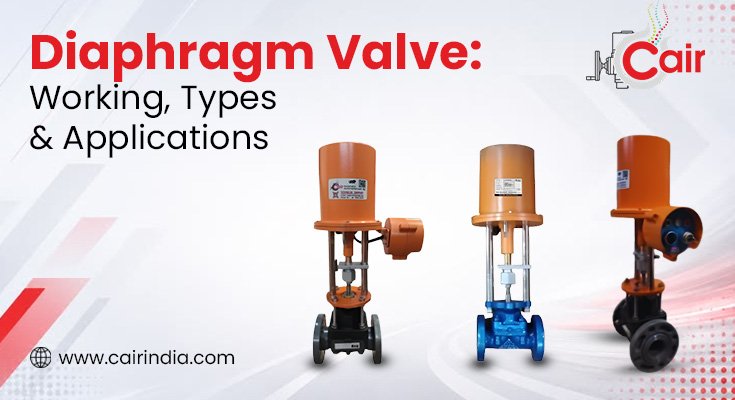
A motorized diaphragm valve, on the other hand, pairs the same diaphragm mechanism with an electric actuator, allowing remote operation, integration into a control loop, and precise, repeatable positioning without a technician physically present at the valve. This is particularly valuable in pharmaceutical cleanrooms, hazardous chemical areas, or any facility running centralized SCADA control where manual intervention isn’t practical or safe.
We manufacture both variants – you can check the specifications for our motorized diaphragm valve range if remote or automated operation is what your project needs.
Materials That Matter: Body and Diaphragm Selection
Two material decisions drive how well a diaphragm valve performs in your specific service:
Body material – typically cast iron, WCB, CF8, CF8M (stainless steel), or UPVC depending on the corrosiveness of the media and the pressure/temperature rating required.
Diaphragm material – this is arguably the more important choice, since it’s the only wetted part in direct, constant contact with the process. Common options include:
- EPDM – good general-purpose choice for water, mild chemicals, and food-grade applications
- PTFE-lined – excellent chemical resistance for aggressive or corrosive media
- Natural rubber or Neoprene – cost-effective for less demanding, non-corrosive services
Getting this selection wrong is one of the most common reasons diaphragm valves fail early – a diaphragm degrading in an incompatible chemical will crack, swell, or lose its seal well before its rated life, regardless of how good the valve body is.
Where Diaphragm Valves Are Actually Used
Diaphragm valves show up heavily in:
- Pharmaceutical and biotech – sterile processing, WFI (water for injection) systems, and any application demanding zero product contamination
- Water and wastewater treatment – handling chlorinated water, sludge, and chemical dosing lines
- Chemical processing – corrosive acids, alkalis, and slurries where PTFE-lined diaphragms protect the media path
- Food and beverage – CIP (clean-in-place) systems, dairy processing, and any hygienic line requiring crevice-free flow paths
- Semiconductor and ultra-pure applications – where even microscopic contamination is unacceptable
If your application sits closer to standard on/off isolation rather than contamination-sensitive throttling, it’s worth comparing against our ball valve range or butterfly valve range, which may be more cost-effective for straightforward isolation duty.
Selection Checklist Before You Buy
- Confirm weir or straight-through based on whether your media is clean or solids-laden
- Match the diaphragm material to your actual process chemistry, not just temperature and pressure
- Decide between manual or motorized operation based on how the valve fits into your control architecture
- Check body material against corrosion and pressure requirements for your line
- Confirm certifications (FDA, ATEX, CE) needed for your industry before finalizing the spec
Final Thoughts
Diaphragm valves aren’t flashy, but in the applications where they matter – pharma, food, water treatment, aggressive chemicals – nothing else does the job quite as cleanly. Getting the body type and diaphragm material right up front saves you from premature failures and unplanned downtime later.
If you’re specifying a diaphragm valve for a new line or replacing an aging one, take a look at our full motorized and manual valve range, or check our FAQ page for quick answers on sizing, certifications, and lead times.