

Valve selection in the oil and petrochemical industries is essential to ensure efficiency, safety, and reliability, as well as choosing the right valve can be a complex task for modern and routine processes. Therefore, we at Cair Euro Automation brought this informative oil and gas valve selection guide, which aims to simplify this process by highlighting the main considerations on how to choose the right valve for oil and gas applications.
The Importance of Valve Selection in Oil and Petrochemical Application
Valves are important in controlling the flow of fluids like oil, gas, chemical compounds, and other beverages into pipelines and production structures. Proper valve selection is not only advantageous for effective operational efficiency and safety however, the equipment longevity and overall cost, poor valve selection can lead to leaks, system failures, and potentially catastrophic accidents. Therefore, It is important to understand the requirements and implications of your applications.
Key Factors to consider when choosing Valves
Fluid Type and Compatibility:
The primary consideration is the type of fluid the valve will control. Different fluids have unique characteristics that can affect valve performance:
- Oil: Requires valves that can handle high pressures and temperatures without failure.
- Gas: Tight-sealing valves are necessary to prevent leaks.
- Chemicals: Valves with corrosion-resistant materials and chemicals are required.
Compatibility with the fluid’s physical and chemical properties ensures the valve’s durability and functionality.
Pressure and Temperature Ratings:
Valves should be examined to control the maximum pressure and temperature in the system. Overestimating this number can lead to unnecessary costs while understanding it can lead to system failure. It’s important to:
- Access the maximum and minimum operating pressures and temperatures.
- Choose valves that are designed to withstand these conditions for extended periods.
Flow Control Requirements (On/Off, Throttling):
Depending on the application, you may need a valve that offers on/off control, throttling (modulating flow), or a combination of both:
- On/Off Valves: Considering Gate Valve, Ball Valve, and Plug Valve are used for isolating sections of the pipeline.
- Throttling Valves: Like Globe Valve and Butterfly Valves are perfect for regulating flow rates.
Understanding the flow control necessities helps in selecting the most efficient and effective valve type.
Material Selection:
The valve body, trim, and other components must be made from materials compatible with the fluid and operating environment:
- Stainless Steel: Offers excellent corrosion resistance and is suitable for most oil and gas applications.
- Carbon Steel: Typically used in non-corrosive environments with moderate temperatures and pressures.
- Special Alloys: Like Inconel or Hastelloy, are used in highly corrosive or high-temperature applications.
Choosing the right material prevents premature wear and ensures longevity.
Actuation Type (Manual, Automatic):
Valve actuation can be manual or automatic, with each type having its advantages:
- Manual Valves: Operated by hand, they are easy, cost-effective, and suitable for applications in which frequent modifications are not needed.

- Automatic Valves: Electric Actuator, pneumatic, or hydraulic systems, they offer precise control and are ideal for remote or hazardous location.
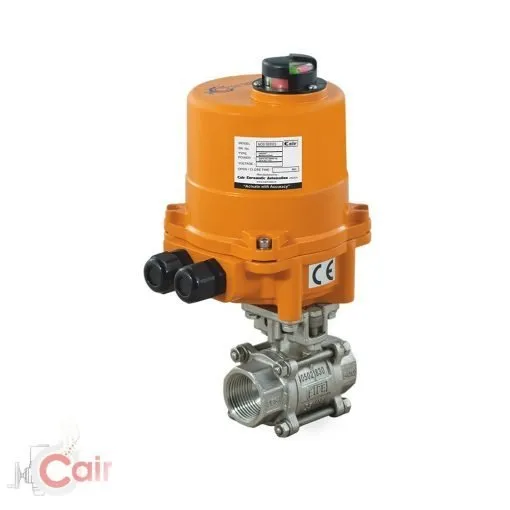
The choice depends on the required control precision, frequency of operation, and accessibility of the valve location.
Size and Weight Considerations:
The physical size and weight of the valve should be compatible with the installation site. Factors to consider include:
- Pipeline Diameter: Ensuring the valve size matches the pipeline to avoid flow restrictions or strain drops.
- Weight: Considering the support structure and ease of installation, especially for larger valves.
Proper sizing and weight considerations ensure seamless integration into the existing system.
Industry Standards and Regulations:
Compliance with industry standards and regulations ensures that valves meet safety and overall performance criteria:
- API (American Petroleum Institute): Provides valve design, testing, and performance requirements.
- ISO (International Organization for Standardization): Offers global standards for excellent quality and reliability.
- ASME (American Society of Mechanical Engineers): Sets codes for pressure equipment, including valves.
Adhering to these standards guarantees that the selected valves are of high quality and suitable for the application.
Case Studies: Applying Valve Selection Principles
Case Study 1: Offshore Oil Platform
An offshore oil platform requires valves that can withstand harsh marine environments, high pressures, and temperatures. After considering the application:
- Fluid Type: Crude oil and gas mixture.
- Pressure and Temperature: High pressure (up to 10,000 psi) and high temperature (up to 500°F).
- Flow Control: Both on/off and throttling capabilities.
Solution:
- Valve Type: A combination of ball valves for on/off control and globe valves for throttling.
- Material: Stainless steel for corrosion resistance.
- Actuation: Automatic (pneumatic) for remote operation.
- Standards: API 6D and ASME B16.34 compliance.
This ensured reliable operation and longevity in a challenging environment.
Case Study 2: Petrochemical Refinery
A petrochemical refinery needed valves for handling various chemicals at different stages of production:
- Fluid Type: Corrosive chemicals.
- Pressure and Temperature: Moderate pressure (up to 1500 psi) and varying temperatures.
- Flow Control: Mainly throttling.
Solution:
- Valve Type: Butterfly valves for their super throttling capabilities.
- Material: Hastelloy for high corrosion resistance.
- Actuation: Manual for low-frequency adjustments.
- Standards: ISO 15848 for fugitive emissions.
This choice minimized maintenance needs and ensured process efficiency.
Conclusion
Selecting the right valve for oil and petrochemical applications is crucial for ensuring safety, efficiency, and reliability. By considering factors that include fluid type, pressure and temperature ratings, flow control requirements, material selection, actuation type, size and weight, and compliance with industry standards, you can make informed decisions that optimize plant overall performance.
At Cair Euro Automation, a trusted valve manufacturer, we understand the importance of these factors and provide solutions tailored to your needs. With our expertise and high-quality products, you can be confident in choosing the best valve for oil pipelines and other critical applications.